Why Does New Vinyl Plank Flooring Smell?
Key takeaway
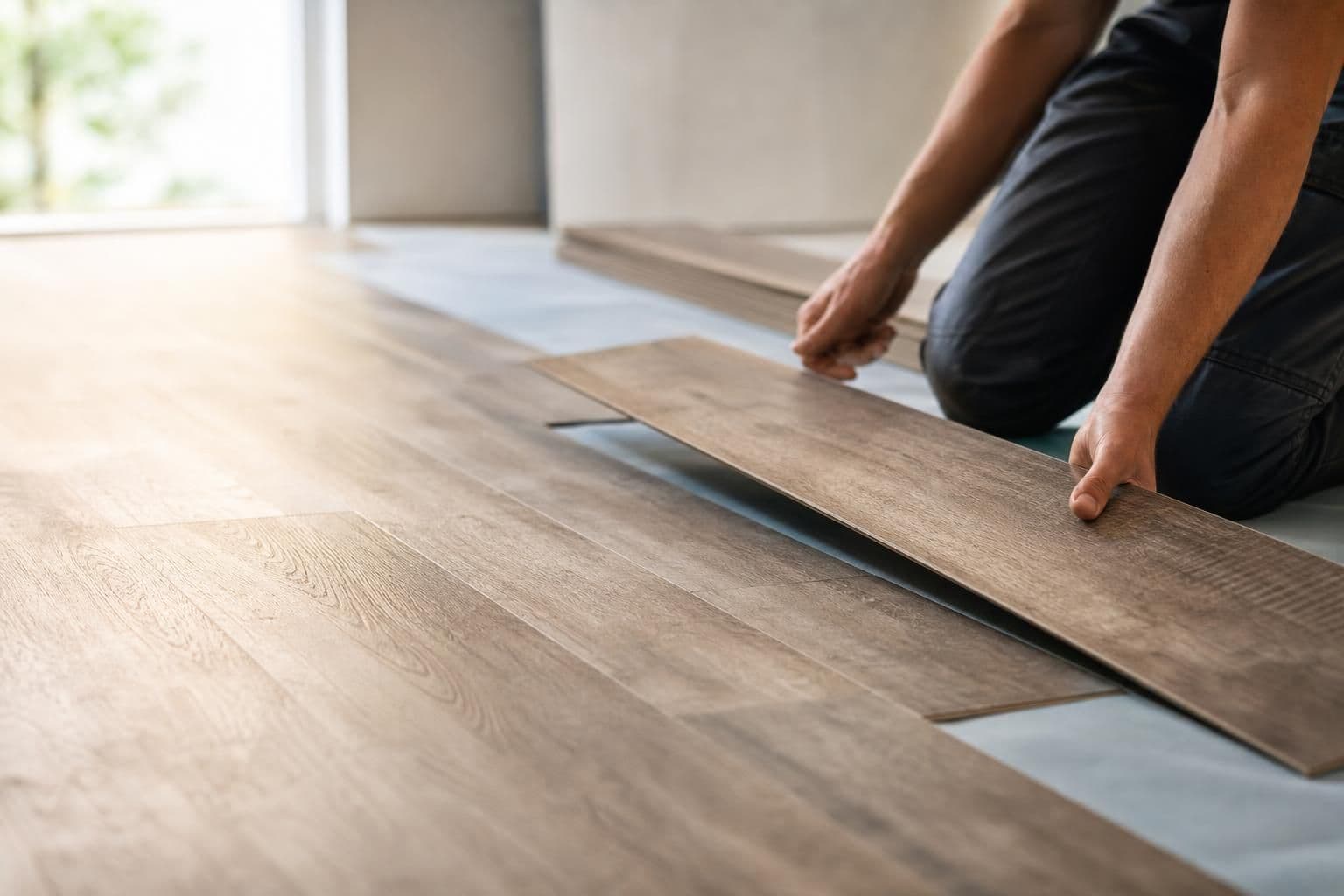
New vinyl plank flooring smells because the plasticizers, adhesives, and protective coatings used to manufacture it release low levels of volatile organic compounds (VOCs) into the air once the plastic is unwrapped and warmed by room temperature — a process called off-gassing. The smell is usually strongest in the first 48–72 hours and fades within one to two weeks with normal ventilation. A smell that lingers for months, or that smells sharp and chemical rather than mild and "plasticky," is worth investigating rather than ignoring.
Key takeaways
- The smell comes from off-gassing VOCs in the vinyl, backing, and adhesive — it's a manufacturing byproduct, not a sign of defective flooring in most cases.
- Fresh air exchange, not scented sprays, is what actually clears it — open windows and run fans for the first few days after installation.
- A smell that's still strong after several weeks, or that triggers headaches, should be checked against the product's VOC certification and installation method.
What's actually causing the odor
Vinyl plank flooring is made from PVC (polyvinyl chloride) resin blended with plasticizers to keep it flexible, plus a printed design layer and a wear layer on top. Those plasticizers — along with the glue used in glue-down installs and the foam backing on some click-lock products — are the main source of the smell. Heat and sunlight speed up the release, which is why a freshly installed floor in a sun-facing Oahu living room can smell stronger on day one than the same product installed in a shaded hallway.
The U.S. Environmental Protection Agency notes that VOC levels from new materials are typically highest right after installation and in the days following, then drop off as the product off-gasses and the space is ventilated.
How long the smell should last
For most quality vinyl plank products, the noticeable smell drops off significantly within the first week and is gone within two to three weeks given normal airflow. Thinner, lower-cost sheet vinyl and some imported click-lock planks can take longer. A few things stretch the timeline:
- Poor ventilation — condos and tightly sealed homes trap VOCs longer than houses with cross-breeze.
- Glue-down installation — adhesive adds its own off-gassing on top of the vinyl itself.
- Large single-day installs — a whole-condo floor releases far more total VOC volume into a confined space than one room.
- Heat — a closed-up unit during the day accelerates off-gassing but also traps it, so the smell builds up.
Why it's more noticeable in Oahu condos
High-rise condo units are smaller, often have limited operable windows, and rely on central or packaged AC rather than open-air cross-ventilation. That combination means off-gassing VOCs have fewer exits. It's also why condo boards in Honolulu increasingly ask about flooring material specs before approving an installation — airflow and shared-wall sound transmission are both board concerns, not just a homeowner preference. If you're navigating that approval process, how to find condo flooring installers on Oahu covers what AOAO boards typically want documented before work starts.
What actually helps it clear faster
Scented candles and air fresheners mask the smell instead of removing it, and some fragrance products add their own VOCs to the mix. What works instead:
- Open windows and run the AC fan (not just cooling mode) continuously for 48–72 hours after install.
- Use portable fans to push air across the floor rather than letting it sit still in a closed room.
- Avoid rugs or furniture placement that traps air pockets against the new flooring for the first week.
- If the unit will be unoccupied right after installation, leave windows cracked and fans running rather than sealing the space up.
Certifications that mean lower off-gassing to begin with
Not all vinyl plank is equal on VOC output. Two labels to look for before you buy:
- FloorScore certification, administered by SCS Global Services, tests flooring products against indoor air quality criteria for VOC emissions.
- CARB Phase 2 compliance, a formaldehyde emission standard from the California Air Resources Board that many flooring manufacturers meet even outside California because it's become a de facto baseline.
Asking whether a product carries either certification is a fair question to put to any supplier before you commit to a quantity, and it's one of the comparison points worth raising while you're comparing vinyl plank against tile for Hawaii homes or other material options.
When the smell is a red flag, not a normal phase
Most new-floor smell is harmless and temporary. It's worth pausing and asking questions if:
- The smell is sharp, acrid, or causes headaches, eye irritation, or breathing discomfort rather than a mild plastic odor.
- It hasn't faded at all after three to four weeks with consistent ventilation.
- It appeared along with visible moisture, discoloration, or a musty note underneath the plastic smell — that combination can point to subfloor moisture reacting with the adhesive rather than normal off-gassing.
The U.S. Consumer Product Safety Commission and EPA both note that persistent strong chemical odors combined with physical symptoms are reasons to increase ventilation immediately and follow up with the manufacturer or installer rather than waiting it out.
Getting the right product for your space from the start
Smell duration is one more reason material choice and installation method matter more than most homeowners expect going in. A supplier that can tell you a product's VOC certification, recommend glue-down versus click-lock for your subfloor, and plan around your unit's actual ventilation is doing more than quoting a price — they're matching the product to the room. That's the kind of detail that's easier to sort out with an accurate flooring estimate built around your actual square footage and conditions than with a generic online calculator, and it's worth working through before planks arrive on-site. For broader material comparisons by room, this room-by-room flooring guide is a useful starting point too.
Frequently Asked Questions
Q: Is the smell from new vinyl plank flooring dangerous?
For most certified products, the smell is low-level VOC off-gassing that fades within a few weeks and isn't considered dangerous with normal ventilation. It becomes a concern only if it's accompanied by physical symptoms like headaches or breathing irritation, or if it persists for a month or more.
Q: How long does vinyl plank flooring smell last?
Most quality vinyl plank products lose their noticeable smell within one to three weeks given regular air circulation. Glue-down installations and poorly ventilated rooms, like sealed condo units, can take longer to clear.
Q: Does all vinyl plank flooring off-gas VOCs?
Yes, to some degree, because PVC-based flooring contains plasticizers that release compounds as they warm to room temperature. The amount varies by product, which is why FloorScore and CARB Phase 2 certifications exist — they set a tested ceiling on emissions rather than eliminating off-gassing entirely.
Q: Can I speed up how fast the smell goes away?
Open windows, run the HVAC fan continuously, and use portable fans to move air across the floor surface for the first 48–72 hours. Avoid sealing the room up or masking the odor with scented products, which don't remove VOCs.
Q: Should I avoid vinyl plank flooring in a condo because of the smell?
No — the smell is temporary and manageable with ventilation, even in units with limited window access. It's worth planning the installation schedule and airflow around it, and confirming the product's VOC certification, rather than avoiding vinyl plank altogether.