What Determines the Cost to Floor a 1,000 Sq Ft House on Oahu?
Key takeaway
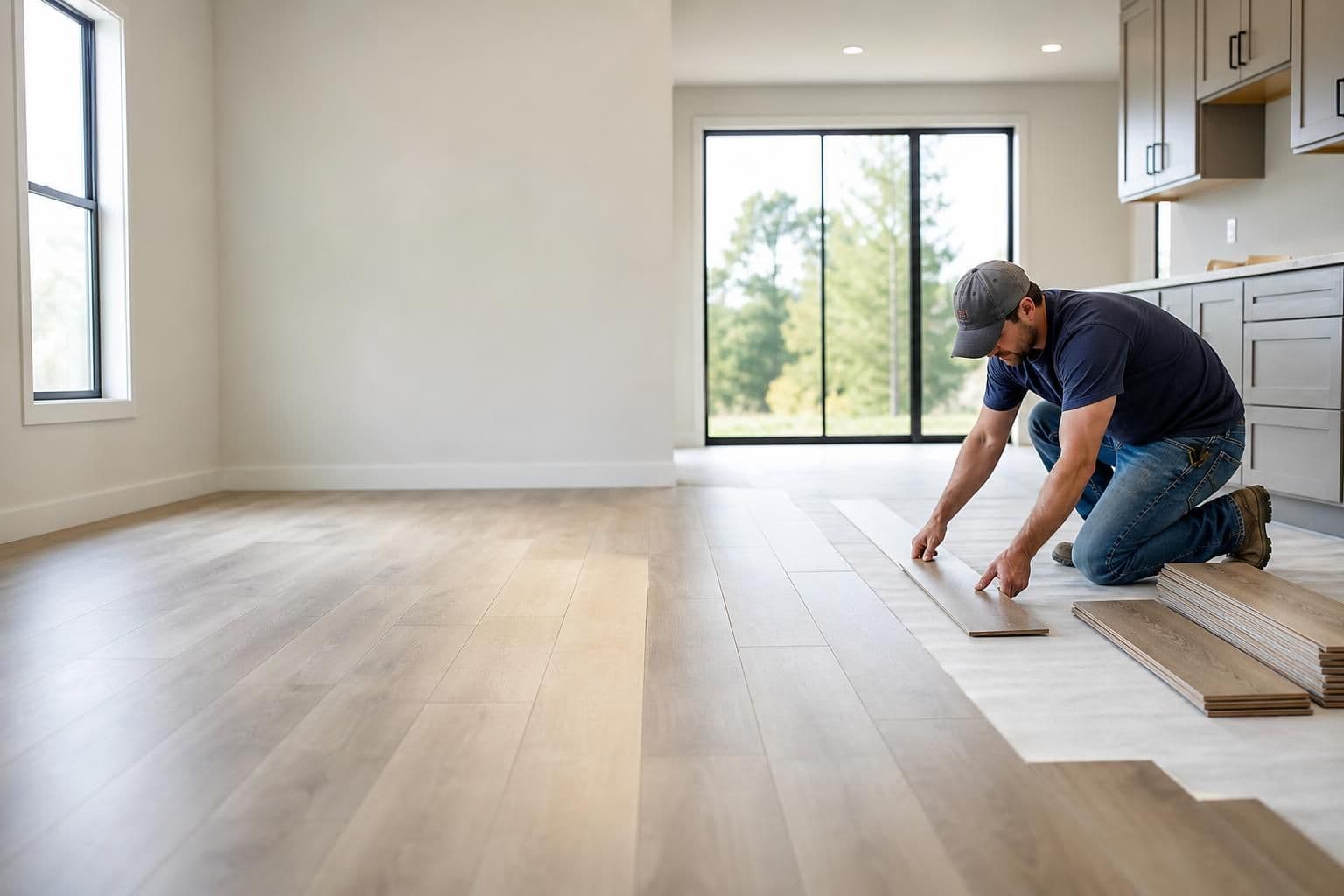
Flooring a 1,000 square foot house on Oahu covers a wide range of possible totals, and the flooring type is only one piece of that. Subfloor condition, room layout, stairs, furniture that needs to be moved, and how much old material has to come out and be hauled away all shift the labor side of the job as much as material choice does. Vinyl plank flooring tends to land toward the simpler, faster-to-install end of the spectrum, while tile and engineered hardwood generally require more prep and more install time. A quote based on your actual square footage and floor plan is the only way to know what your specific home will run, since layout, room count, and stair or transition details all change the labor side of the bill.
Key takeaways
- Material choice matters, but subfloor condition, removal needs, and layout complexity often move the total more than the flooring type itself.
- Removal of old flooring, subfloor leveling, and moisture barriers are common add-ons that aren't always included in a quote — ask what's covered.
- A firm number requires actual measurements; the flooring type alone isn't enough to estimate a job.
What Drives the Price of Flooring a 1,000 Sq Ft Home
Square footage is only one input. The bigger swings in price come from:
- Material grade — entry-level vinyl plank versus a thicker waterproof core, or standard tile versus large-format porcelain, changes both material cost and how carefully the installer has to work.
- Subfloor condition — old adhesive, uneven concrete, or water-damaged plywood needs leveling or patching before new flooring goes down. That prep work is billed separately from the flooring itself, and it's more common in older Oahu homes than newer builds.
- Room complexity — a 1,000 sq ft open floor plan installs faster than the same footage split across a kitchen, two bathrooms, closets, and hallways with lots of cuts and transitions.
- Removal and disposal — pulling up old tile, carpet, or hardwood and hauling it away is usually a separate line item, and the labor involved depends on what's coming out and how it has to be disposed of.
- Access — condo units with elevator-only access, loading-dock scheduling windows, or tight parking add labor time compared to a single-family home with a driveway. Stairs and furniture that has to be moved out of rooms before work starts add time on both property types.
Comparing Flooring Types for a 1,000 Sq Ft Job
Rather than comparing price tags, it's more useful to compare what actually drives cost and suitability for an Oahu home: how the material handles humidity, how complex the install is, and how long materials take to arrive.
| Flooring type | Moisture tolerance | Install complexity | Typical lead time | Durability |
|---|---|---|---|---|
| Vinyl plank (LVP) | Excellent — handles humidity and occasional water exposure well | Low — click-lock systems install quickly over most subfloors | Usually in stock or short lead time | Strong for everyday wear; wear-layer thickness varies by product |
| Laminate | Fair — vulnerable to standing water at seams | Low to moderate | Usually in stock | Good, but less moisture-tolerant than vinyl |
| Engineered wood | Moderate — better than solid hardwood, still humidity-sensitive | Moderate — needs acclimation time and careful subfloor prep | Can require special ordering, especially for wider or specialty planks | Very good; refinishable depending on veneer thickness |
| Porcelain or ceramic tile | Excellent | High — cutting, setting, and curing time add labor days | Standard sizes usually available; large-format or imported tile can mean island freight delays | Excellent; among the longest-lasting options |
| Carpet | Poor — retains moisture and can trap mold in Hawaii's humidity | Low | Usually in stock | Shortest lifespan of the common options |
Vinyl plank tends to be the most requested option for Oahu homes and rentals because it handles humidity and everyday wear well without the install complexity of tile or the moisture sensitivity of hardwood. A closer breakdown of what pushes vinyl plank pricing up or down is covered in this vinyl plank flooring cost guide for Oahu.
What's Included (and What's Not) in a Flooring Quote
Not every quote covers the same scope, which is why two bids for the "same" job can look different. Ask specifically whether the quote includes:
- Removal and disposal of existing flooring
- Subfloor prep, leveling compound, or moisture barrier
- Baseboards, quarter-round, or transition strips
- Furniture moving on move-in day
- Waste factor for cutting around cabinets, closets, and odd angles (usually 7–10% extra material)
A quote that only lists a flooring material and skips these items can look simpler on paper and turn into surprise add-ons once work starts. Oahu Flooring Quote prices jobs off actual square footage and room layout rather than a flat rate, so removal, prep, and trim show up as part of one clear scope instead of line items added later.
Hawaii-Specific Cost Factors
Island conditions change what "the right flooring" even means, which affects the job as much as square footage does. Oahu's year-round humidity and coastal salt air are harder on some materials than others — the National Oceanic and Atmospheric Administration tracks Hawaii's consistently high relative humidity, which is one reason moisture-tolerant materials like vinyl plank are common in island homes. The U.S. Environmental Protection Agency also notes that trapped moisture under flooring can contribute to mold growth if a proper vapor barrier isn't used, which is why prep work matters even when it adds a step to the job.
Condo owners have an added layer: many Honolulu AOAOs require sound-rating (IIC) documentation or specific underlayment before approving a flooring swap. Getting that paperwork right the first time avoids a rejected application and a second round of work. Elevator scheduling and loading-dock access windows in high-rise buildings can also add time to material delivery and disposal hauls.
How Room Count and Layout Change the Math
A 1,000 sq ft home isn't the same job whether it's a studio-style open plan or a three-bedroom layout with hallways and closets. More rooms mean more cuts, more transition strips between flooring types, and more time spent working around cabinetry and fixtures — all of which add labor hours without adding much material. This is also where installers flag anything unusual, like a bathroom that needs a moisture-rated underlayment or a kitchen that needs flooring to run under cabinet toe-kicks. Homeowners weighing a full kitchen alongside new flooring often find it useful to plan both at once; the kitchen remodel cost guide on this site's guide library walks through how those two projects typically interact.
Getting an Exact Number
Ranges and comparisons are useful for planning, but the only real number for flooring a 1,000 sq ft house comes from a free quote measured against your home's actual square footage, subfloor condition, and material choice. A free quote built around actual measurements, with an answer inside 24 hours, replaces the guesswork with a scope tied to your home. For homeowners deciding between materials, vinyl plank flooring options are worth comparing against tile or wood before settling on a plan.
Frequently Asked Questions
Q: How much does it cost to floor a 1000 sq ft house on Oahu?
It depends on flooring type, subfloor prep needs, and layout complexity. Vinyl plank generally requires less prep and faster install time than tile or engineered wood, but every home's subfloor and layout are different enough that a firm number needs actual measurements rather than a general range.
Q: Is vinyl plank flooring cheaper than tile?
Generally, yes, mainly because vinyl plank installs faster with click-lock systems, while porcelain or ceramic tile requires cutting, setting, and curing time that adds labor hours and complexity to the job.
Q: Does removing old flooring cost extra?
Usually, yes. Removal and disposal of existing flooring is often a separate line item unless a quote specifically states it's included, and the amount of work involved depends on what's coming out and how it needs to be disposed of.
Q: Why do condo flooring projects sometimes cost more?
Many Honolulu AOAOs require specific underlayment, sound ratings (IIC), or moisture barriers before approving new flooring, and elevator scheduling or loading-dock access windows can add time to material delivery and old-material haul-away.
Q: What's the fastest way to get an exact price instead of a range?
Provide actual room measurements and flooring preference through a quote request. A same-day site visit isn't always needed if square footage and photos are available, and most quotes are returned within 24 hours — that's the only way to get a number tied to your actual home rather than a general estimate.