How to Choose Custom Cabinet Makers on Oahu
Key takeaway
The right custom cabinet maker on Oahu is a licensed contractor (or one working with a licensed installer) who measures your actual space, shows you material samples in person, and puts lead times and specs in writing before any money changes hands. Because almost every cabinet box and most hardware arrives by container ship, the maker's handling of freight timing and change orders matters as much as the finish they offer. Skipping either check is how islanders end up with a six-week wait that becomes four months.
Key takeaways
- Confirm the maker (or their installer partner) holds a current Hawaii contractor license before signing anything.
- Ask for a written lead time that separates "in local stock" from "special order from the mainland or overseas."
- Get a quote based on your exact measurements, not a published per-box or per-linear-foot estimate — layouts, soft-close upgrades, and wall conditions change the number too much for a generic figure to mean anything.
Start With Licensing and Who's Actually Doing the Install
Hawaii requires contractors doing cabinet installation, framing, or tie-ins to hold a license through the Hawaii Department of Commerce and Consumer Affairs, and you can look up a license number before hiring anyone. A cabinet shop can design and build beautiful boxes, but if the install touches electrical for under-cabinet lighting or structural framing for a kitchen reconfiguration, that work needs its own licensed trade. Ask directly: "Who is swinging the hammer, and what's their license number?" A maker who hesitates on that question is a red flag.
What Separates a Custom Shop From a Big-Box Semi-Custom Line
"Custom" should mean the cabinet boxes are built to your exact wall dimensions, ceiling height, and appliance cutouts — not just a choice of door style bolted onto stock-sized boxes. True custom work lets you adjust cabinet depth for a shallow lanai-facing wall, add a filler panel for an odd corner, or build a hood enclosure that matches your upper cabinets. Semi-custom lines are faster and often fine for straightforward layouts, but if your kitchen has non-standard dimensions (common in older Oahu plantation-style homes and in condo units with load-bearing columns), true custom avoids filler strips and visible gaps. If you're still deciding on layout direction, cabinet ideas suited to Oahu homes is a useful starting point before you call anyone.
Materials That Actually Hold Up in Hawaii's Climate
Ask what substrate the boxes are built from and whether the finish is rated for high-humidity environments. Moisture and salt air accelerate warping and delamination in lower-grade particleboard, especially in homes near the coast or units that run humid between AC cycles. Better shops will discuss moisture-resistant core materials and finish sealing on exposed edges — not just door style and color. It's also worth asking whether the cabinet finish meets low-formaldehyde-emission standards; the EPA's formaldehyde emission standards for composite wood products set a baseline many reputable manufacturers now meet or exceed.
Lead Times and Freight Are the Real Timeline Driver
Almost nothing in a custom cabinet order sits on a shelf in Honolulu waiting for you. Boxes, specialty hardware, and certain door finishes are typically ordered after your design is finalized, then shipped to Oahu — meaning island freight schedules, not the shop's production speed, often set your actual delivery date. Ask for a written estimate that distinguishes shop production time from shipping transit time, and ask what happens if a container is delayed. A maker who gives you one combined number without breaking it down is guessing, not planning.
Condo Owners Have an Extra Approval Step
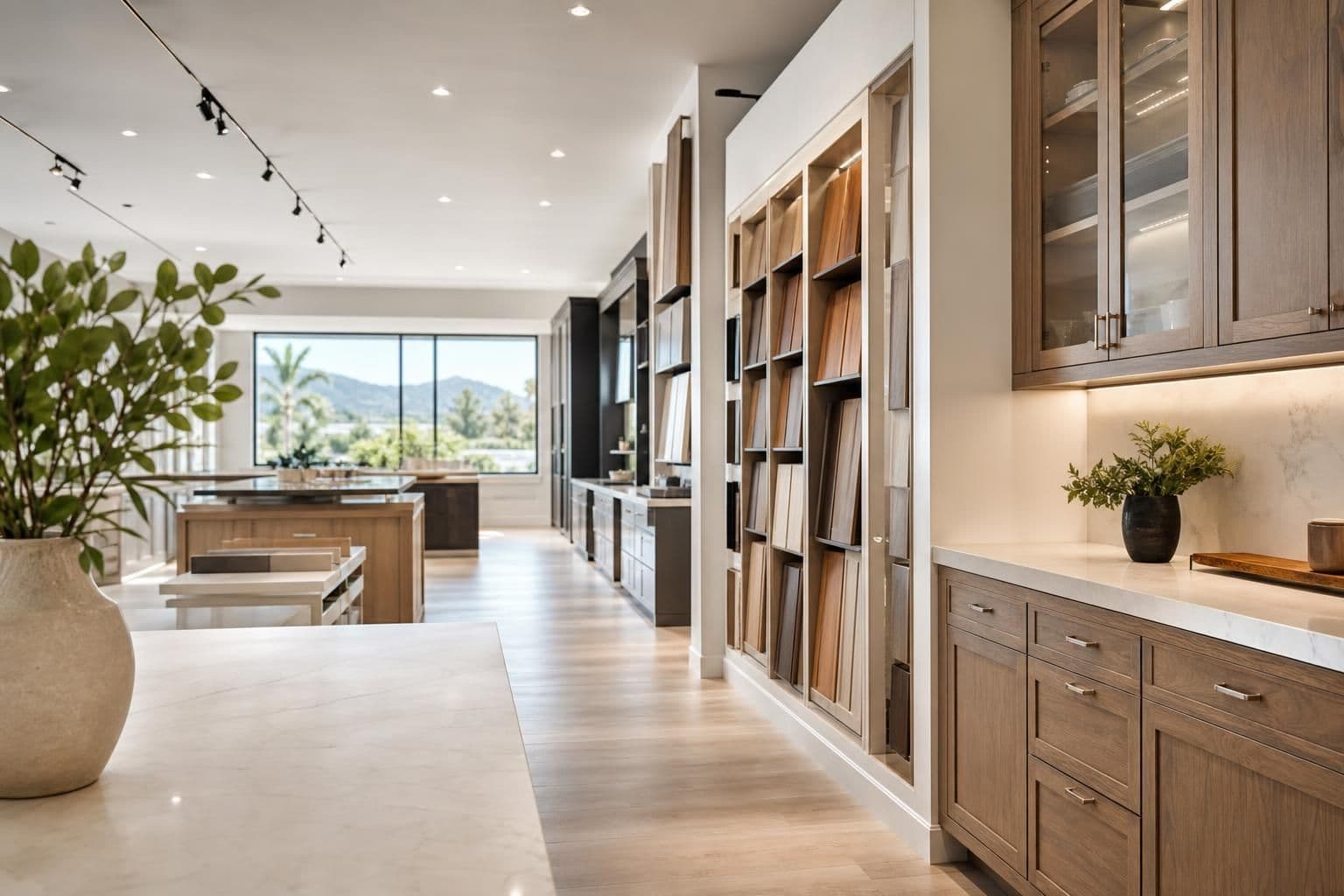
If you're in a Honolulu high-rise or mid-rise condo, your cabinet layout may need board review before installation starts, especially if plumbing or electrical locations shift. AOAO boards typically want specs, material cutsheets, and sometimes elevator or loading-dock reservation details submitted in advance. Builders unfamiliar with condo process can cause weeks of delay simply because they didn't know paperwork was required before the install crew could even book the elevator. If you're early in the planning stage, what to expect at a Honolulu cabinet showroom covers how sample viewing and measurement visits typically work before a design is finalized.
Questions to Ask Before You Sign a Cabinet Contract
- Is your license current, and can I verify it through the state contractor board?
- Are boxes built to my exact measurements, or adjusted from a stock size?
- What's the substrate and finish, and is it rated for humid or coastal conditions?
- What's the separate lead time for shop production versus shipping to Oahu?
- Do you provide AOAO-ready specs and cutsheets if I'm in a condo?
- What happens to pricing if I change the layout mid-project?
A shop that answers all six without hedging is one worth getting a quote from. For more on what a full custom order typically covers from design to delivery, custom cabinets in Honolulu: what to know before you order walks through the process end to end.
Why Published Prices Don't Help You Here
Every custom cabinet quote depends on layout complexity, box count, door style, hardware tier, and whether electrical or plumbing needs to move — two kitchens of the same square footage can price completely differently. A number pulled from a national site or a general range won't reflect Oahu freight costs, condo-specific requirements, or your actual wall conditions. The only figure that means anything is one built from your real measurements and finish choices.
Frequently Asked Questions
Q: How long does a custom cabinet order take on Oahu?
Lead time depends on whether materials are in local stock or special-ordered, since most cabinet components ship to Oahu rather than sitting pre-stocked. Ask any shop to separate shop production time from shipping transit time in writing before you commit to a date.
Q: Do I need a licensed contractor for cabinet installation?
Yes, if the install involves electrical, plumbing, or structural changes, Hawaii requires a licensed contractor for that portion of the work. You can verify any contractor's license status through the Hawaii Department of Commerce and Consumer Affairs before signing anything.
Q: What's the difference between custom and semi-custom cabinets?
Custom cabinets are built to your exact wall dimensions and layout quirks, while semi-custom lines offer style and finish choices on standardized box sizes. Custom avoids filler panels and gaps in non-standard layouts, which is common in older Oahu homes and some condo units.
Q: Can condo owners get custom cabinets installed without board issues?
Yes, but the AOAO board typically needs specs, cutsheets, and sometimes elevator or loading-dock scheduling submitted before installation. Builders who don't prepare this paperwork in advance are a common cause of condo project delays.
Q: Why won't cabinet makers give me a flat price over the phone?
Cabinet pricing depends on exact measurements, box count, door and hardware tier, and site conditions like wall irregularities or needed electrical changes. A legitimate quote requires those specifics, which is why reputable shops measure first rather than quoting blind.